
THE MOVING PICTURE BOY ARCHIVE
APA (EGY HIT NAPLÓJA)
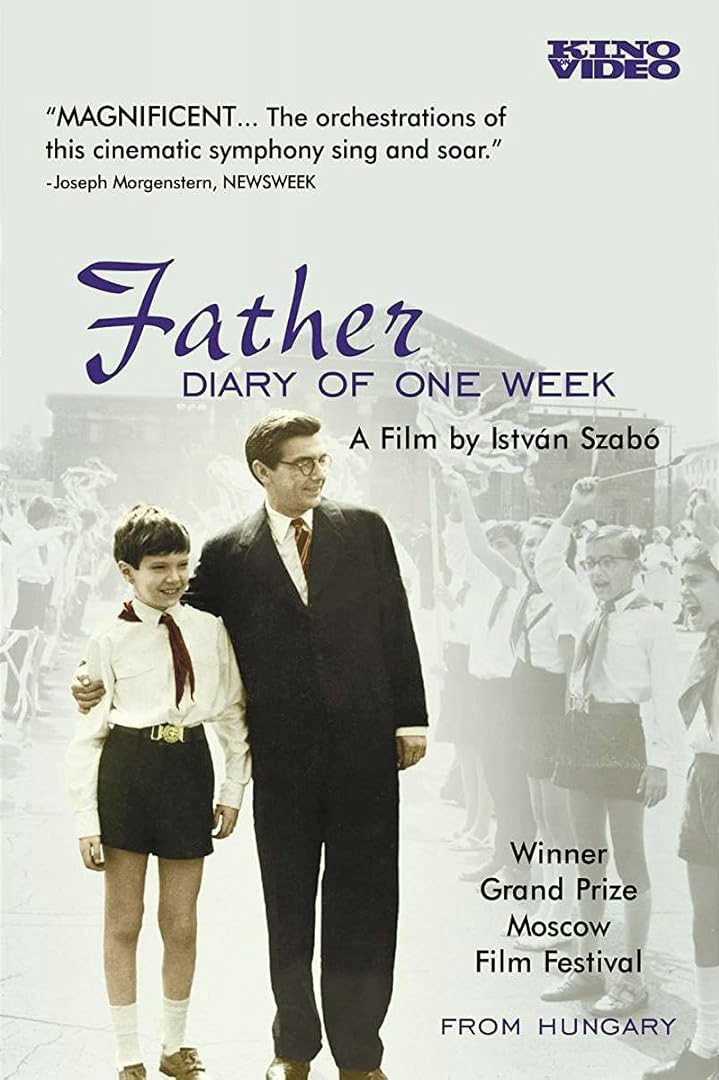
Title: Apa (Egy hit naplója)
English translation of title: Father (Diary of a faith)
Title in Anglophone world: Father
(The film has never been distributed in the Anglophone world under its full title. The US distributor Kino On Video attempted the full title, but managed to mistranslate it as Father: Diary of One Week - which makes no sense at all, since there is no indication in either the section on the protagonist's childhood, or the section where he is a young adult, that the action portrayed unfolds over a single week.)
Year of Release: 1966
Director: István Szabó
Country of Production: Hungary
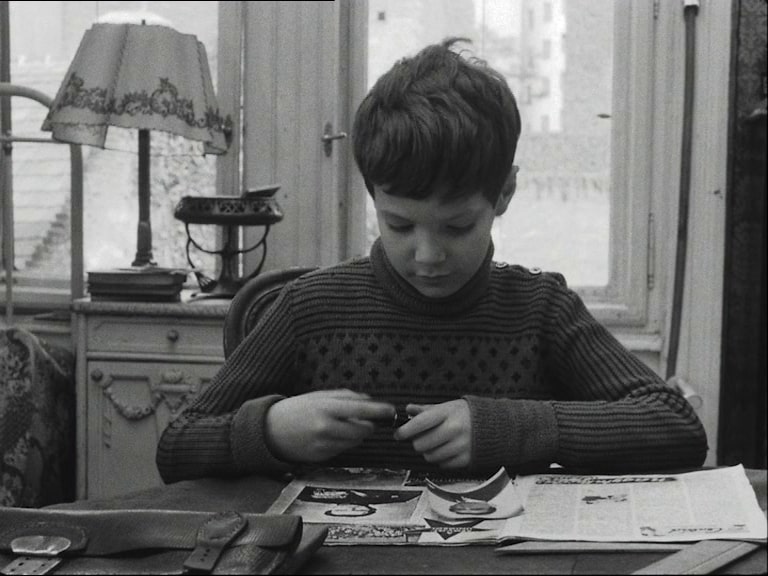
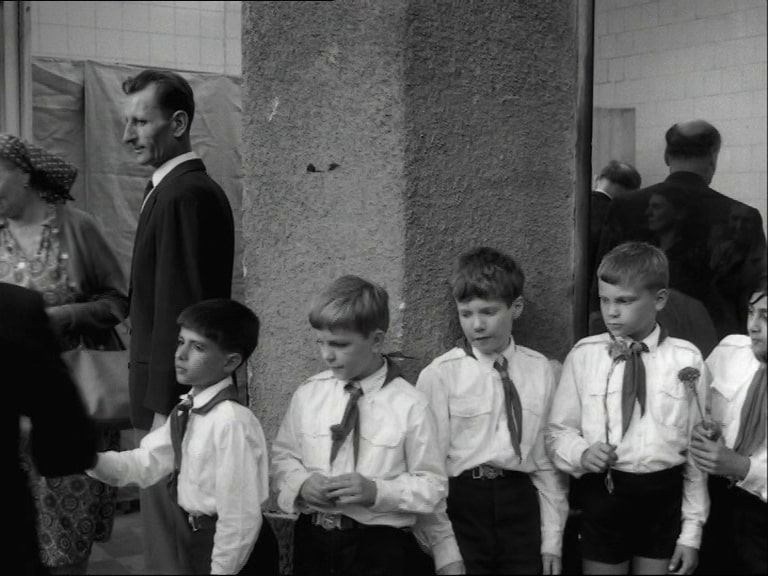
Principal Boy Actors: Dániel Erdély as Young Takó. There are many other boys in the film, playing Takó's schoolmates.
Genre: Drama
Length: 1 hr 25 min
Language: Hungarian
Availability: DVD release from Second Run DVD, with subtitles
Synopsis and Commentary
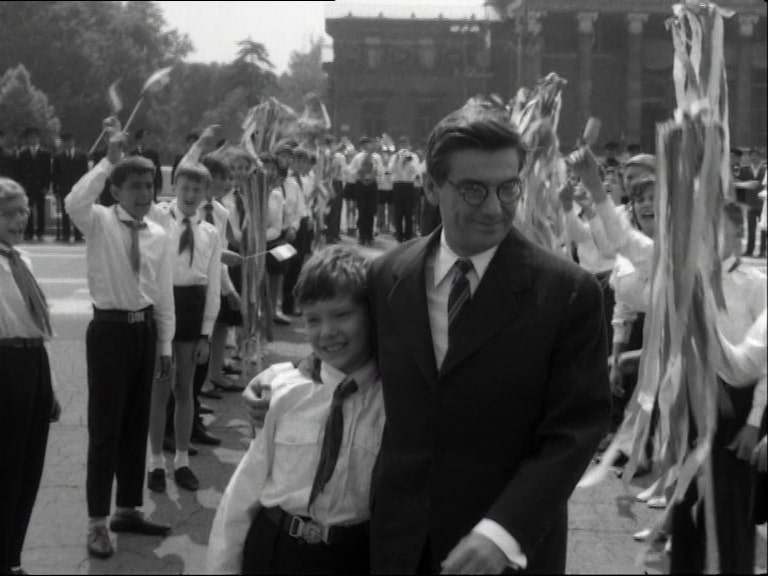
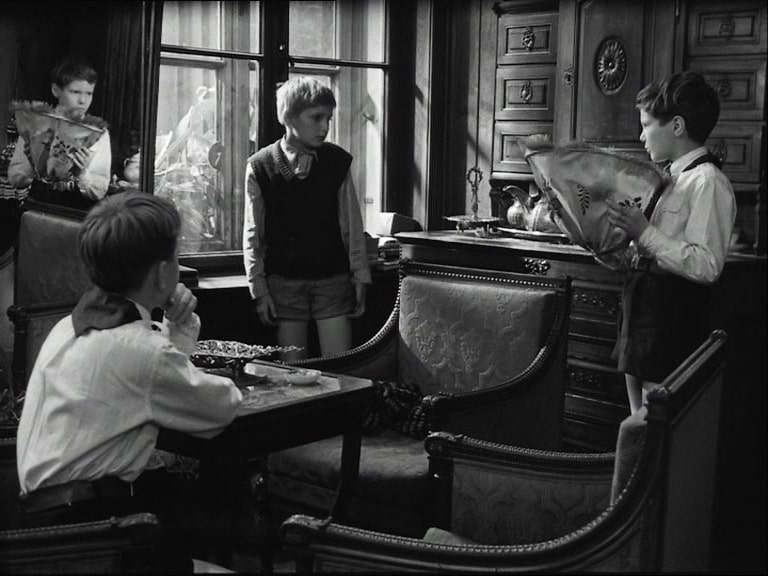
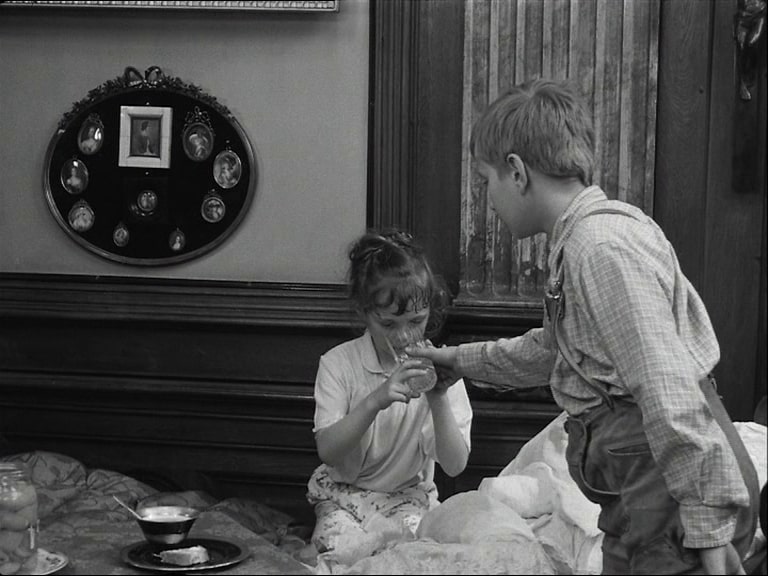
Takó's father dies in 1945, when Takó himself is six or seven years old, leaving the boy with only three authentic recollections of him. Over subsequent years he builds myths around his father, and his supposed heroism; later on, as a young adult, he begins to come to terms with the fact that his father may have been just a fairly ordinary man.
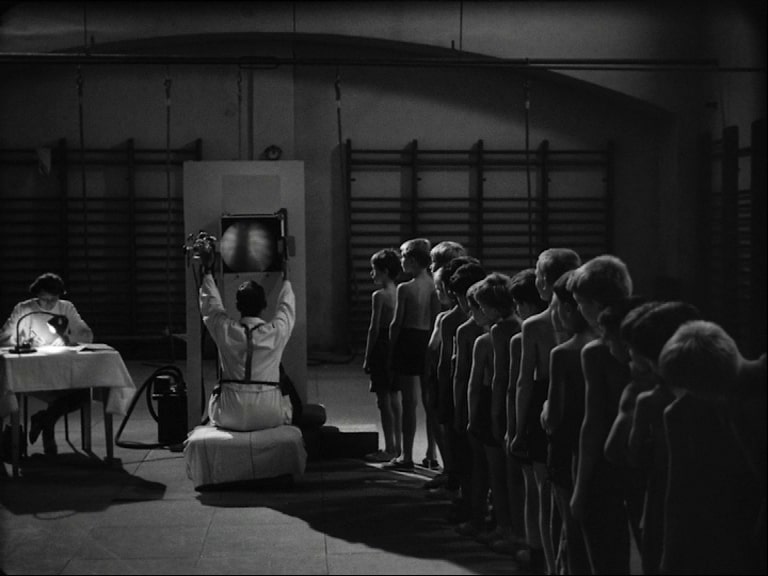
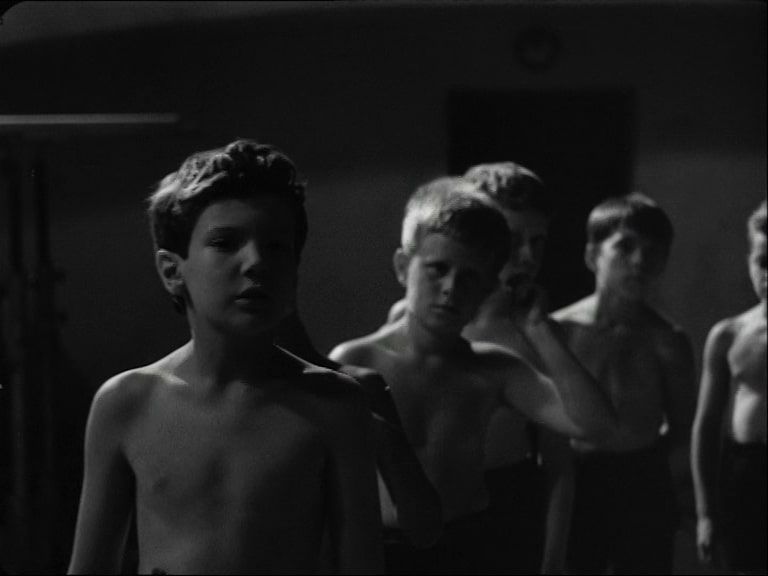
The film dwells on father figures or father substitutes from the very beginning, when we see a newspaper seller announce the death of Roosevelt. Before Takó's school is nationalised, his teacher is a priest, who seems the only significant adult male figure in his life.
In an interview for The South Bank Show in 1989, Szabó explained the significance, for him, of this figure of the absent father: "In the school I went to, at least 60% of my classmates grew up without a father. So, having no father wasn't just my problem. In fact it was a national problem, how to find some fixed point, a point of departure, someone to guide you, to rely on, which is what a father means ... But when we look at what affects groups of people and society as a whole it is clear that this was also a problem in a broader sense - it paved the way for the political solution based on the personality cult, Stalinism or the Rákosi policies in Hungary. These father figures, who were elevated over society by the powers that be, or who foisted themselves on society, they gave expression to the desire common to many individuals. Their emergence was no accident. This is what I tried to express in the film."
The film was acclaimed around the world, winning numerous prizes at film festivals, including the Director's Prize at Cannes in 1967. It was shown in Britain in October 1968, to near universal acclaim - the one exception to the chorus of praise being the Communist Party's Morning Star, which rather moronically criticised its protagonist's "false heroics on behalf of the counter-revolution", referring to scenes in which Takó participates in the Hungarian uprising of 1956. Despite this negative opinion, Apa has since come to be regarded as one of the greatest Hungarian films of all time.
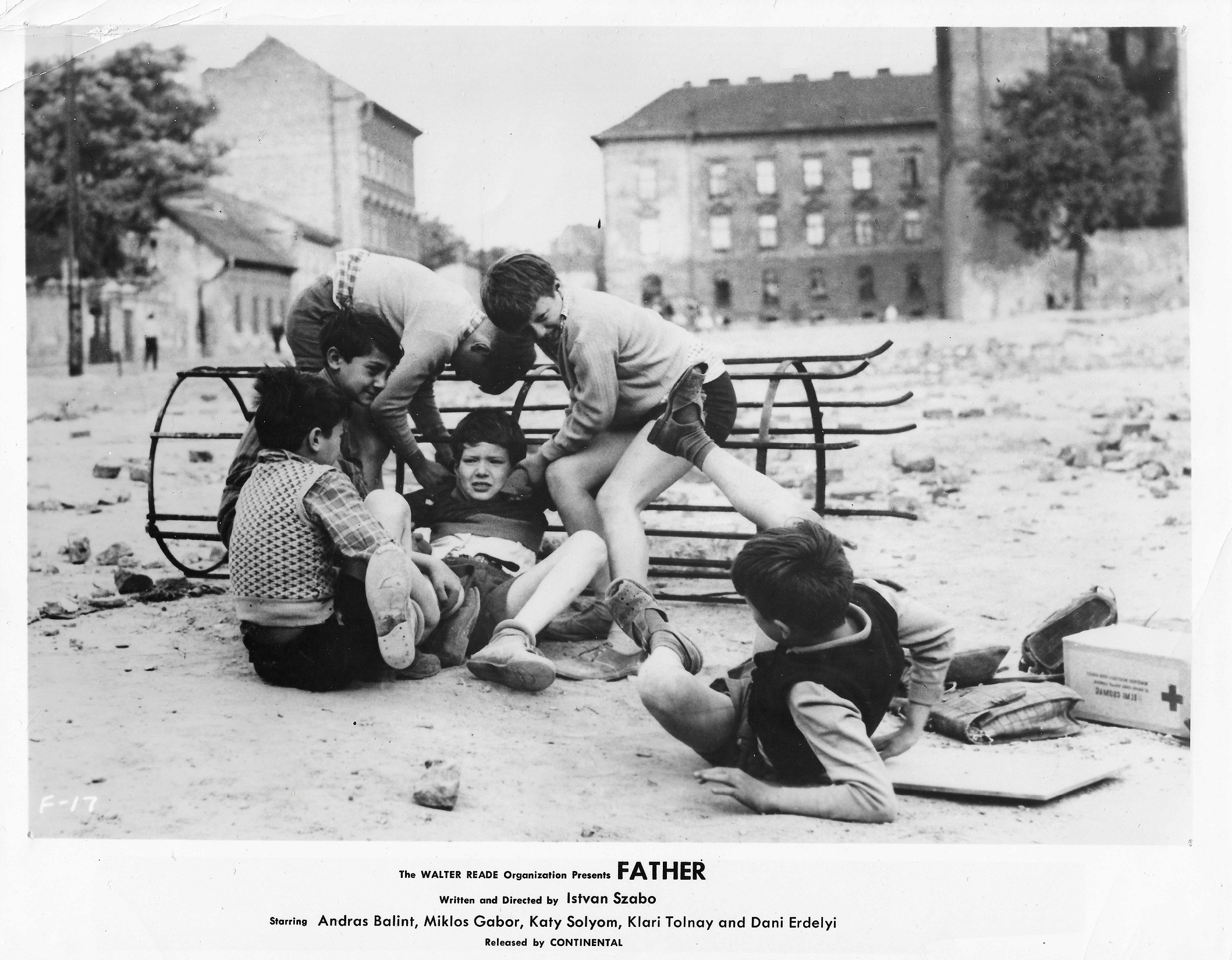
Lobby photos
(Editor's personal collection)

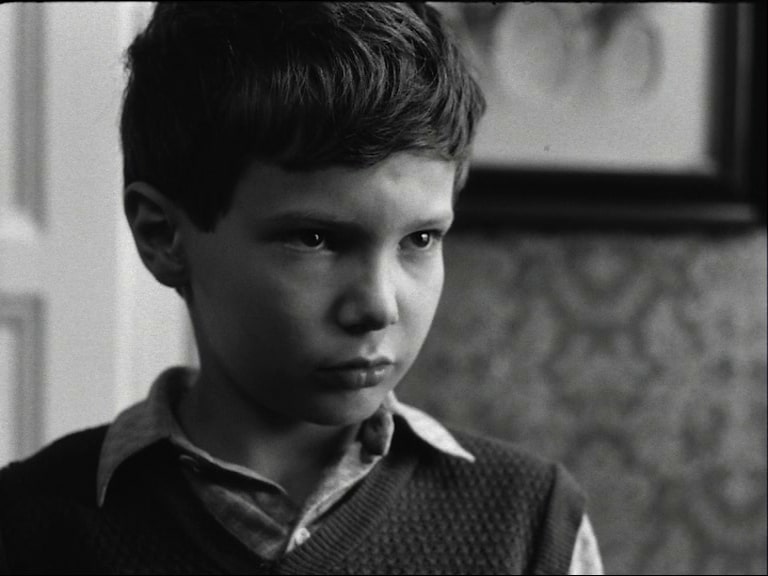
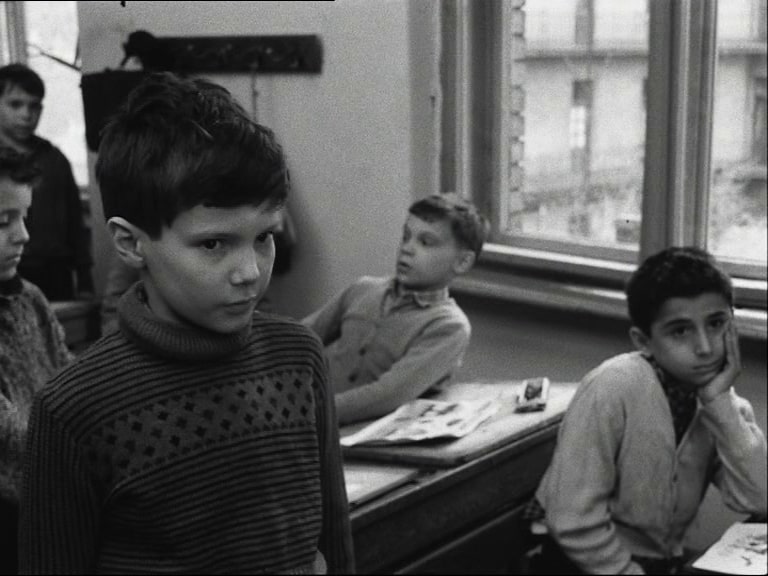
Screenshots







Comments powered by CComment