
THE MOVING PICTURE BOY ARCHIVE
ERIC CAWTHORNE
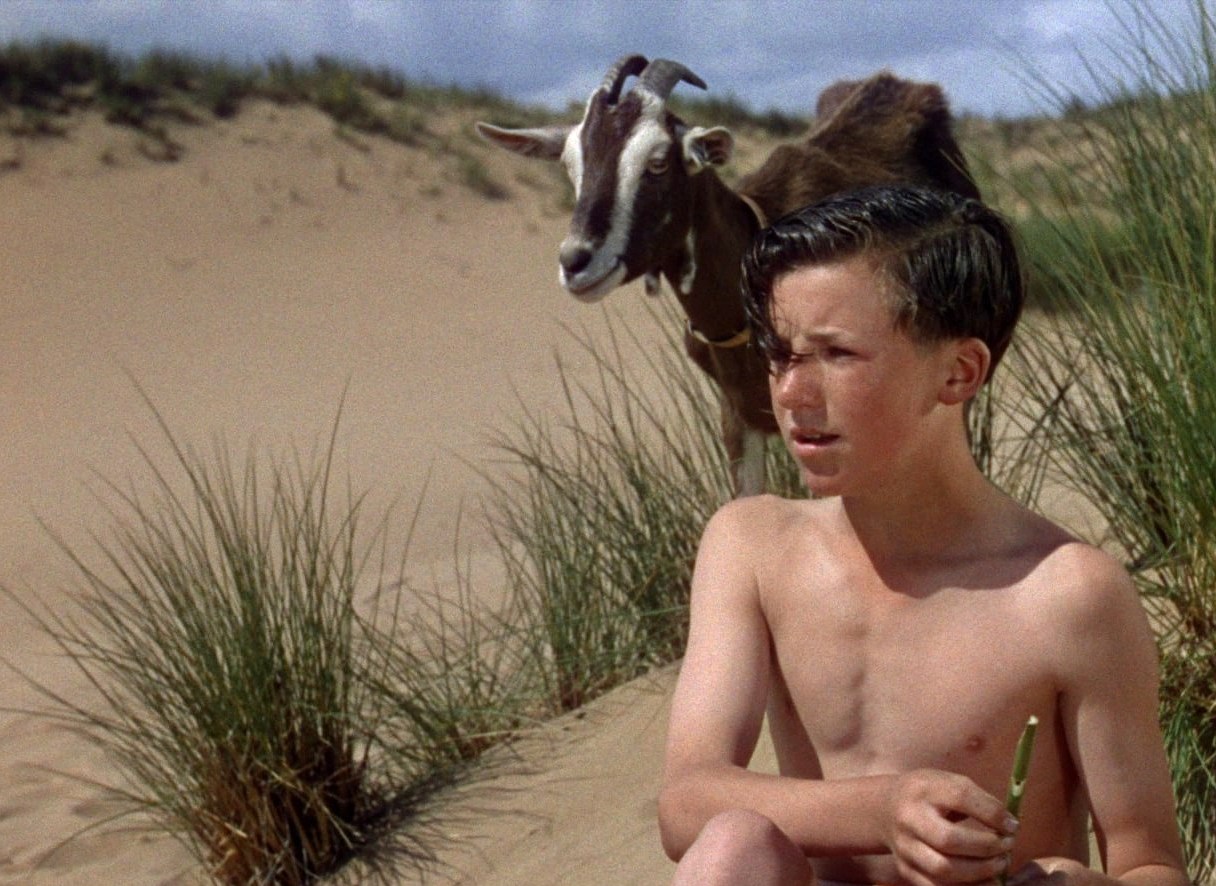
Name: Eric Cawthorne
Date of Birth: December 1931
Filmography
1946 A Matter of Life and Death
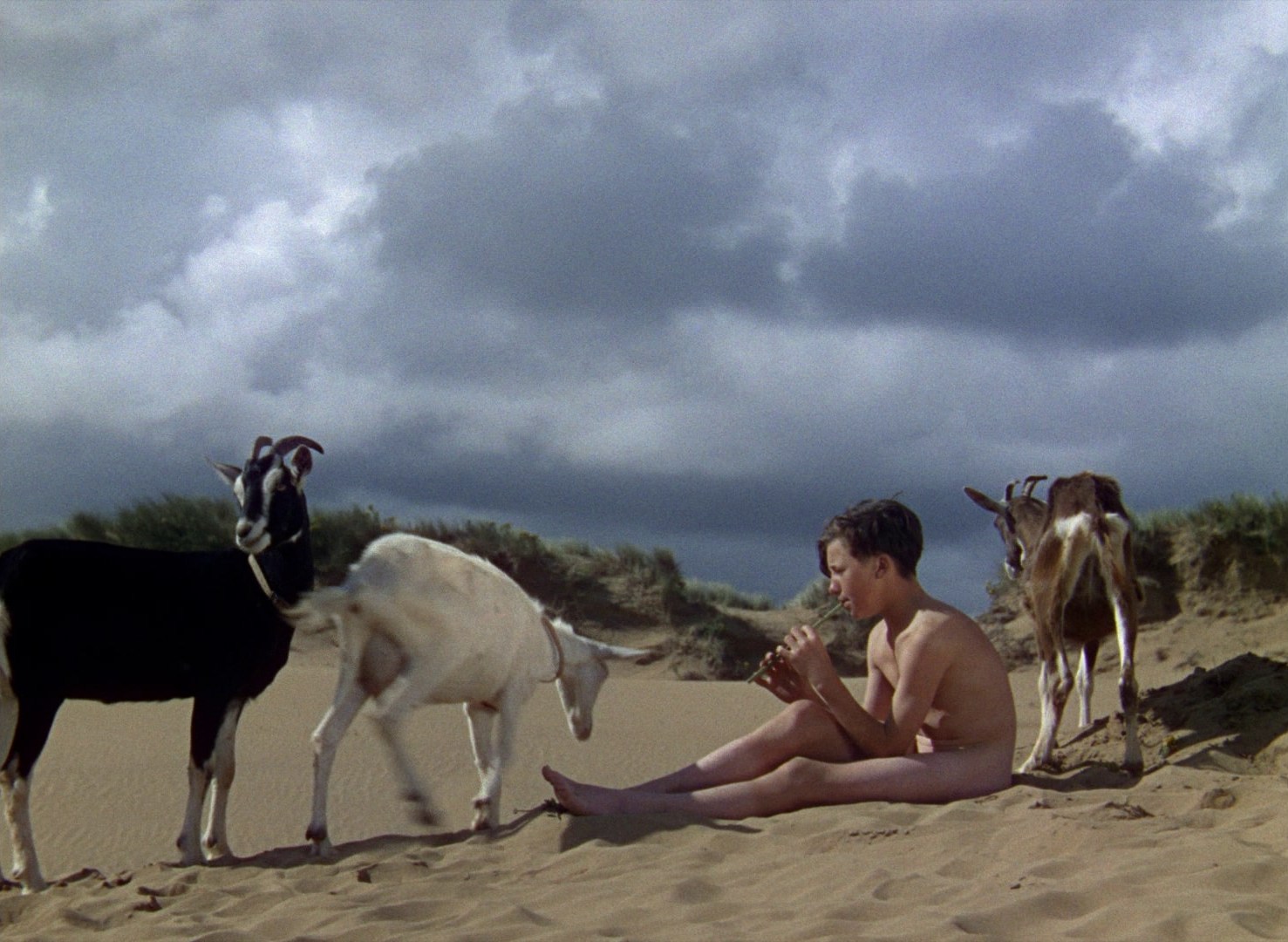
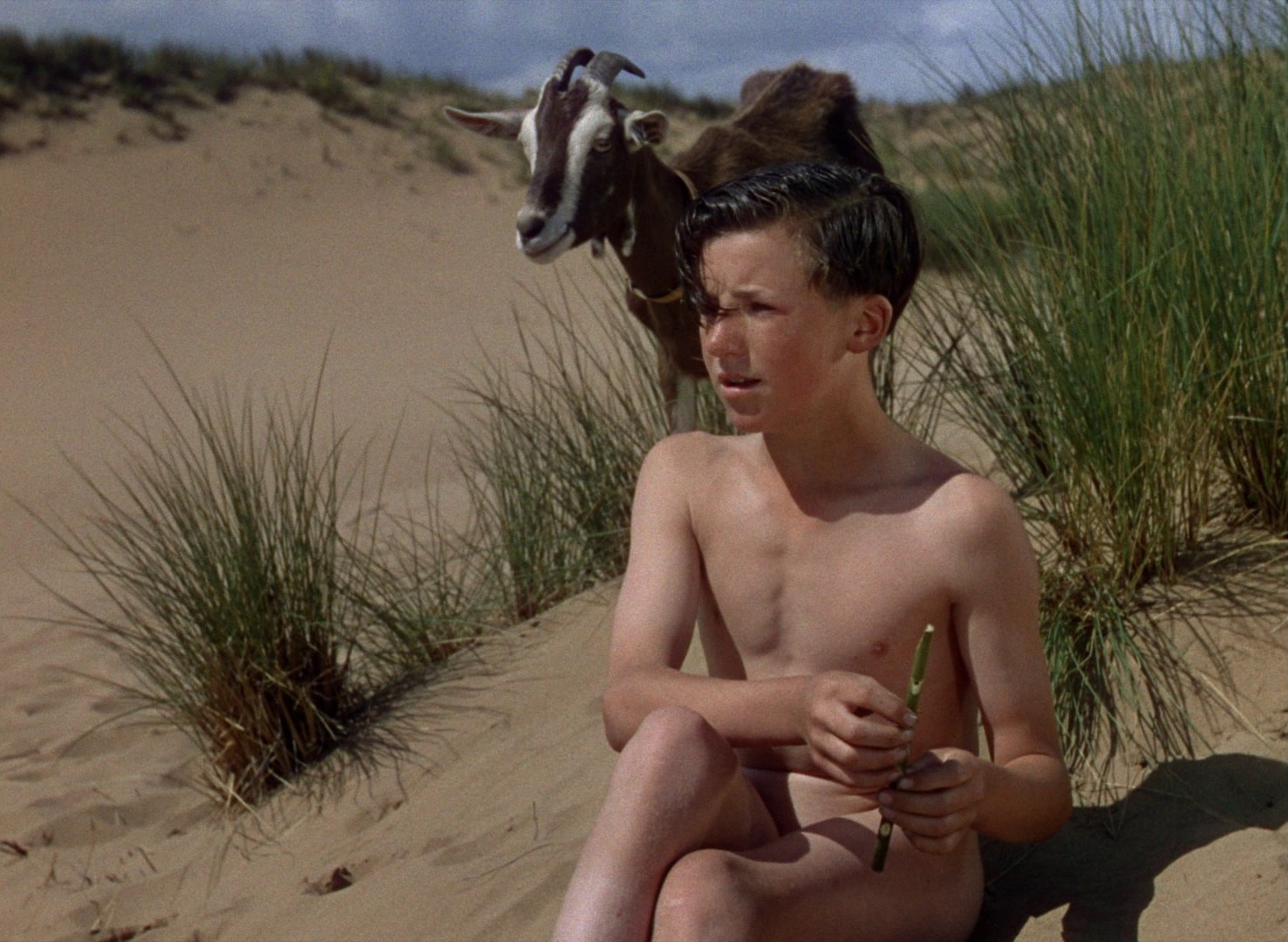
The identity of the goatherd in Powell and Pressburger's classic fantasy romance A Matter of Life and Death was unknown until the twenty-first century, when it was revealed in a national newspaper by a former school friend of the boy.
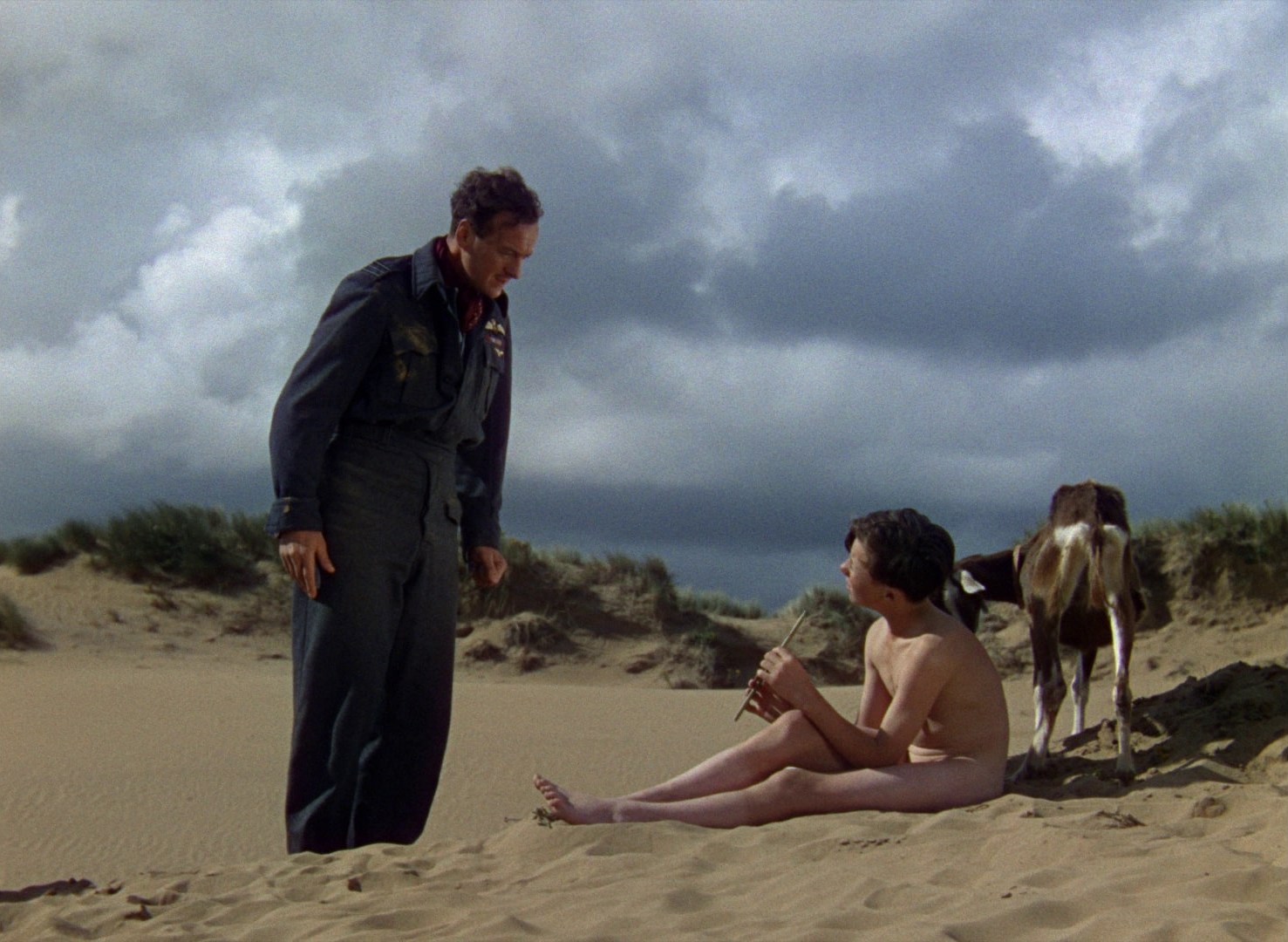
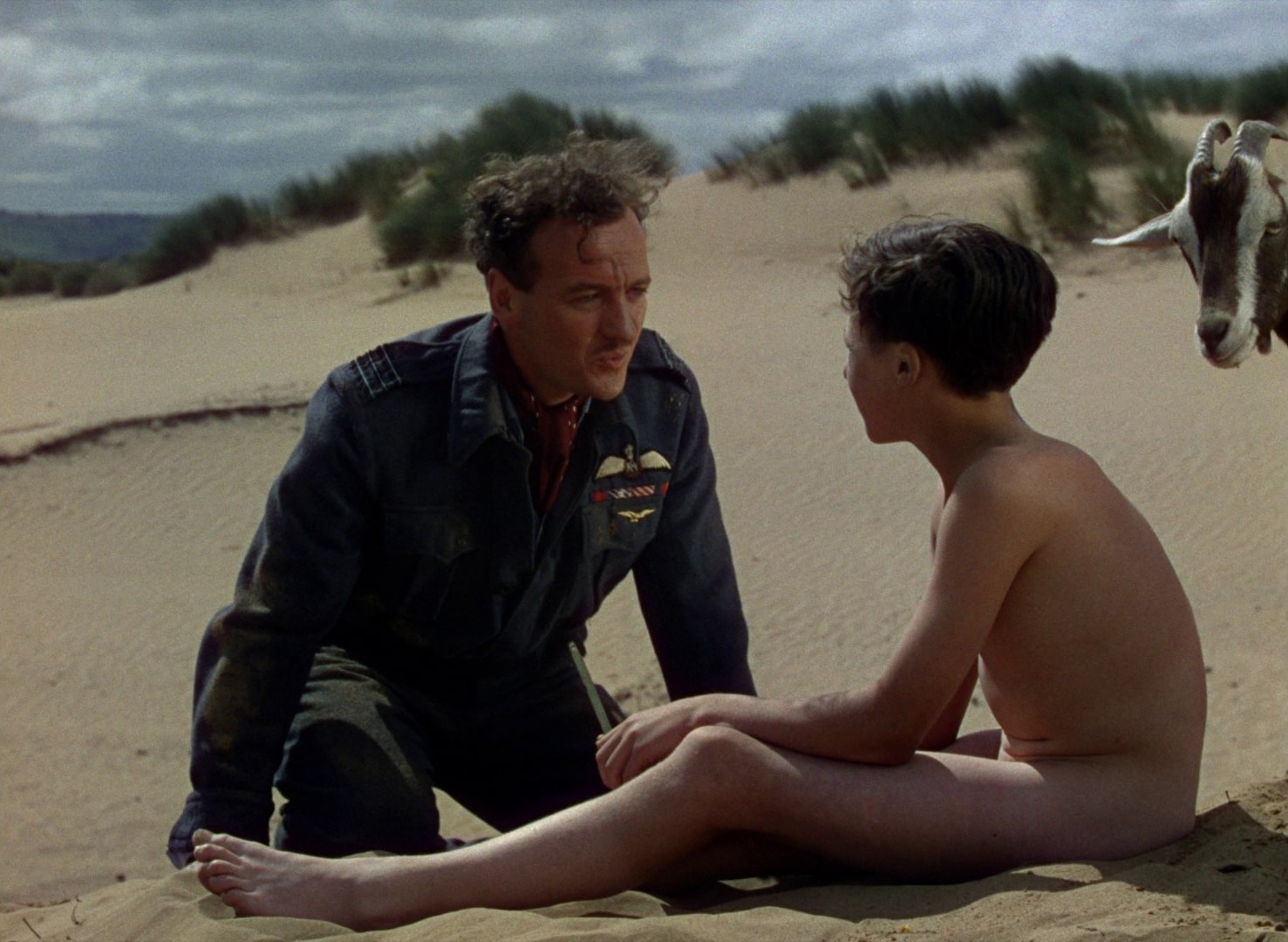
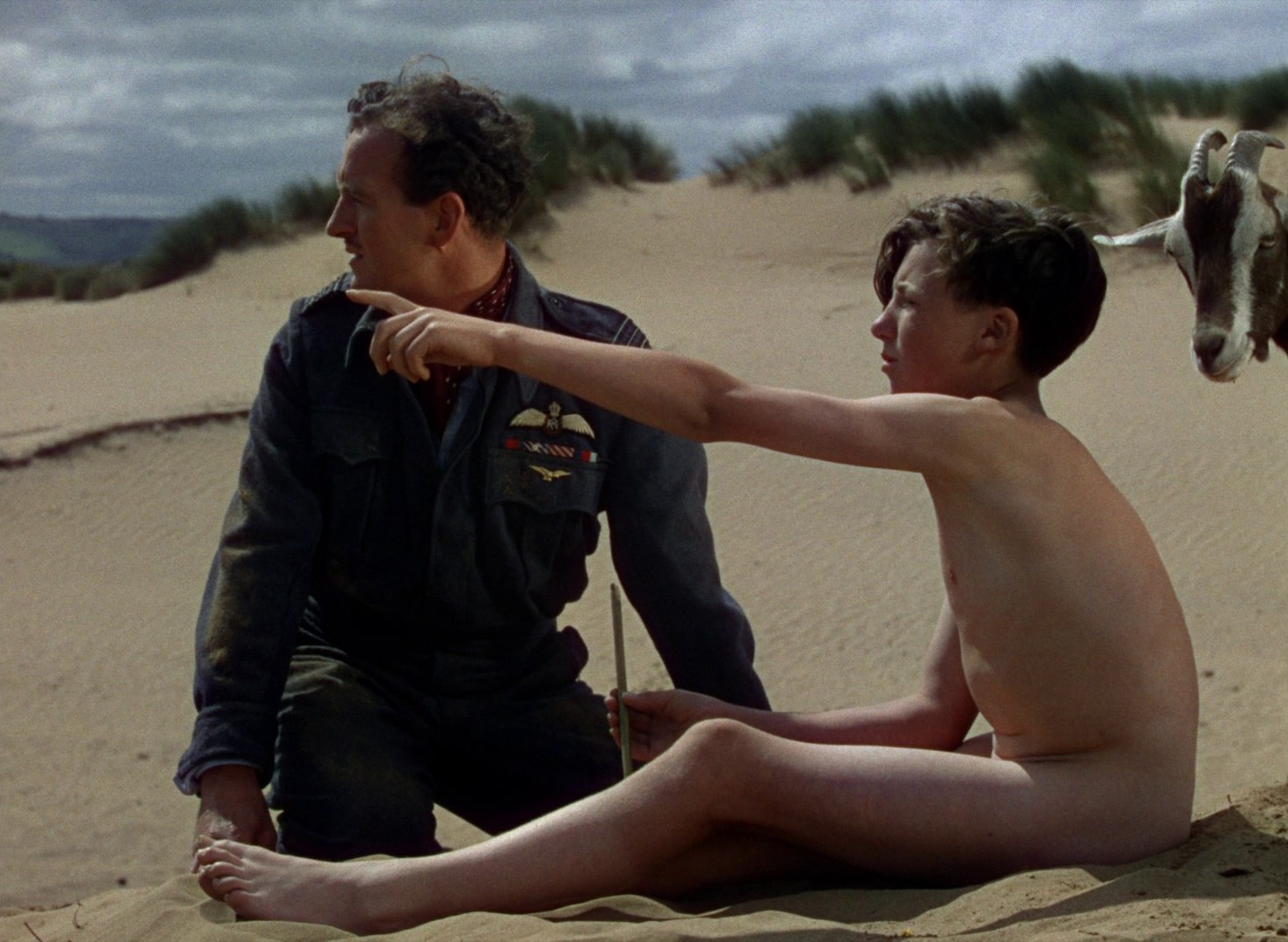
In 1945 young Eric Cawthorne, who was an orphan, was living with his aunt in one of the labourers' cottages attached to the manor hotel in Devon where Michael Powell was staying. Powell asked the proprietor of the hotel whether he knew of any local lad with a proper Devon accent who might be willing to play a role in his film, and the proprietor suggested Eric. The scene with Niven was shot in the first half of September 1945, so Eric was 13 going on 14. For his services he was paid £14 - a very generous sum of money in those days. Eric went on to become a successful Devonshire businessman, and was still alive in 2015.
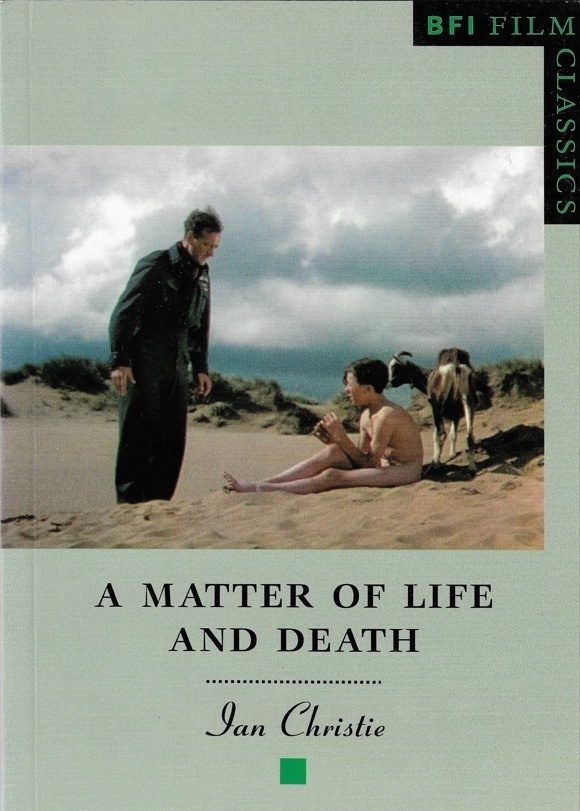
A still from the scene in which Eric featured graces the cover of Ian Christie's interesting and informative volume on the film in the BFI Film Classics series (see image on right), though the scene is not discussed in the book itself.
The scene is described by Peter Wilkin in The Strange Case of Tory Anarchism: "Having jumped from his crashing Lancaster Bomber into the English Channel without a parachute, Carter is washed ashore where a beautiful coastal landscape greets him and the viewer as though it were a vision of the afterlife, an ethereal and serene backdrop of dazzling skies and golden sands. As Carter stumbles ashore he is uncertain as to whether he is in the next world or this, and when he meets a naked boy playing his penny whistle whilst herding his goats it appears that he is indeed in the afterlife, but this moment is rudely shattered by an American plane flying overhead." (Libri Publishing, 2010, p. 79)
The pastoralism of the scene suggests a notion of England as both enchanting and unchanging - and quite different to America (Carter's illusion that he is in the afterlife is destroyed by the American plane; later on, in a production of A Midsummer Night's Dream that the vicar is organising, the Yank troops stumble over the language of Shakespeare, thus emphasising their foreignness). The England that unfolds in the course of the film is one of easygoing and eccentric individuals, contrasting sharply with the bureaucratic organisation of Heaven.
However, when Carter is tried before a Heavenly court, he is disturbed by the fact that the members of the jury are drawn from countries that have been subject to British imperialism in the past or present. So the film itself highlights the contradiction between the notion of the English as decent and tolerant, on the one hand, and the country's imperial and militaristic history, on the other; even as it ultimately affirms an England - or at least a dream of England - in which the individualist, the "uncommon man", can find a place.
In 1992, the polymath Jonathan Miller wrote in a newspaper about how, when he first saw the film as a child, he was seized with "the idea that there was some vast, dazzling eternity out there, and in the surface of ordinary reality one might find some narrow slit through which one could catch a glimpse of it". Although he was writing about the film as a whole, the Carter/goatherd scene surely illustrates this idea particularly well.
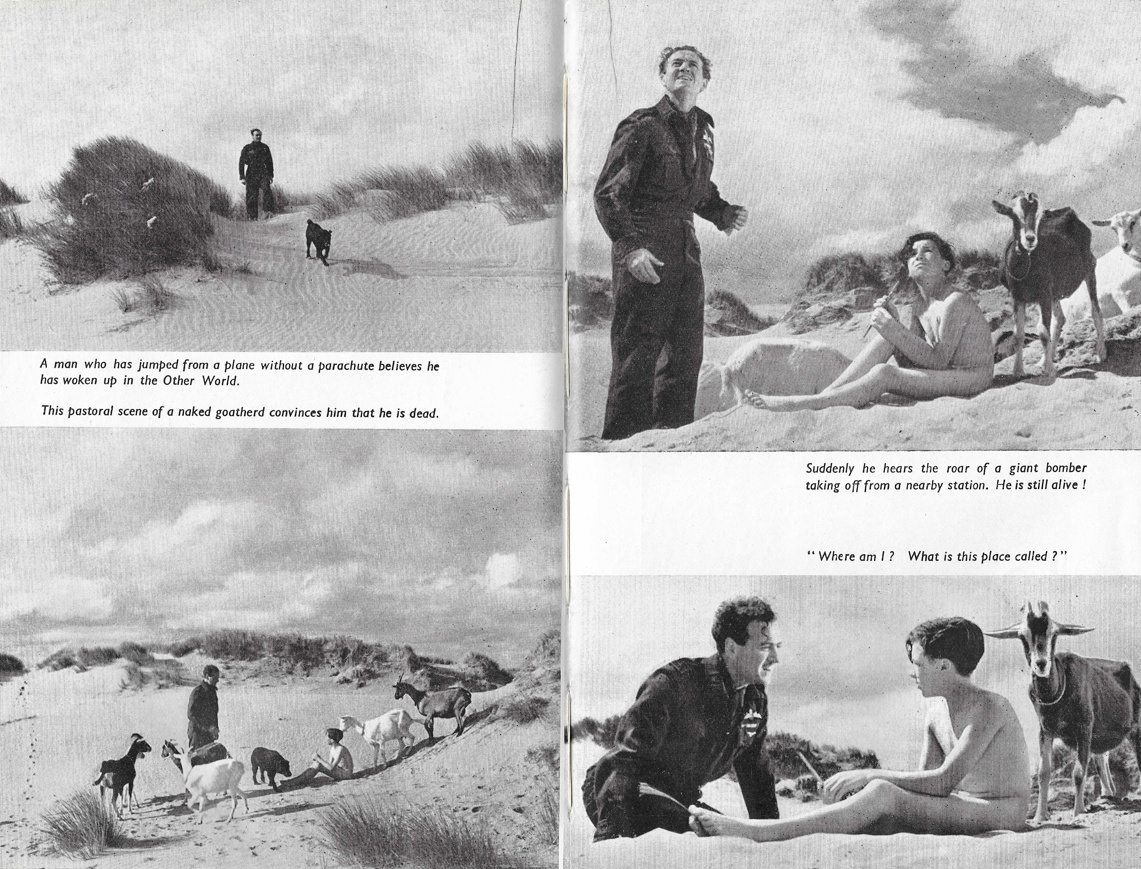
In the same year the film was released, a novelisation by Eric Warman was published by World Film Publications, which contained numerous stills from the film, including the following two pages of stills from the Carter/goatherd scene:
(From Editor's personal collection)
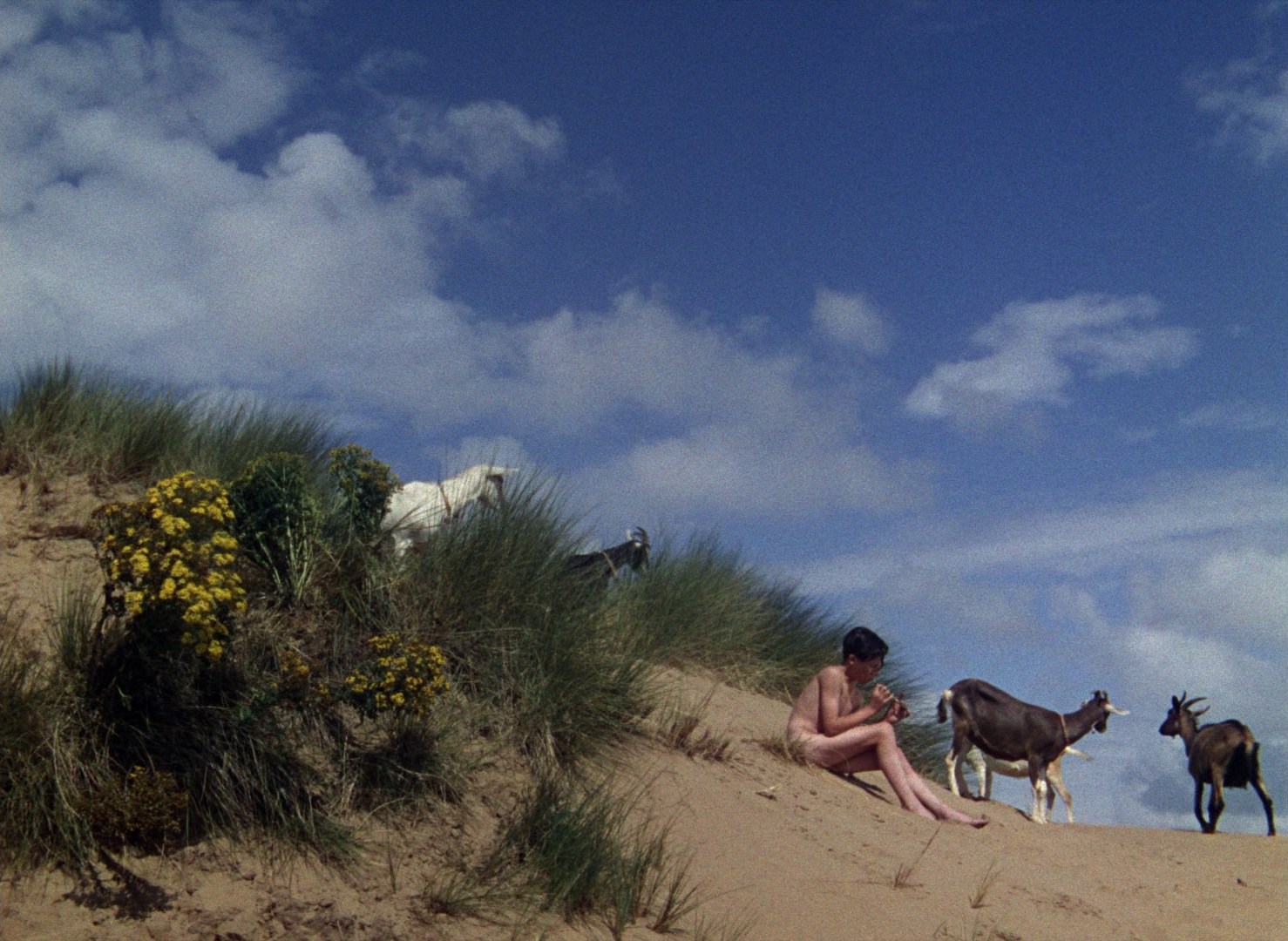
Screenshots
(Criterion have given the film an excellent restoration, and the screenshots below are from the [Region A] Criterion blu-ray. Clicking on an image will open the full-size screenshot in a new tab.)
Comments powered by CComment